
Table of Contents
Introduction
CRM in 2026 has entered a new phase where AI systems move from predictive insights to autonomous execution. Instead of only surfacing recommendations, modern CRMs now act as agentic platforms that can trigger workflows, schedule tasks, qualify leads, and coordinate customer engagement across multiple channels.
For executives, this means the CRM is no longer a passive system of record. It is becoming a decision-making hub that:
Runs on ambient data streams from IoT, behavioral, and transactional sources.
Requires governance frameworks to ensure transparency, trust, and compliance.
Drives measurable ROI through automated actions and orchestration across sales, marketing, and service functions.
As a result, CRM strategy is no longer just about adoption. In 2026, the focus is on data readiness, orchestration, and managing the human + AI collaboration model to ensure agents deliver outcomes without creating risk or decision fatigue. This blog explores the key CRM trends 2026 that will shape how enterprises evolve in the year ahead.
How Is AI in CRM Evolving in 2026?
In 2026, AI in CRM is no longer about predictive analytics or task automation. The defining shift is the rise of agentic AI, where CRM systems can not only recommend actions but also execute them autonomously.
According to CIO, “agentic AI emerges as a game changer” in CRM strategies, and traditional AI-based recommendation models are giving way to autonomous agentic systems. CIO
Key changes include:
Autonomous execution: Agents can qualify leads, schedule follow-ups, and trigger workflows without manual input.
Decision orchestration: CRMs act as hubs that connect marketing, service, analytics, and ERP, ensuring that AI agents operate within a unified business context.
Governance and trust controls: Executives now demand explainability, audit trails, and human override options to manage the risks of autonomous actions.
Outcome-driven ROI: AI is evaluated less by its novelty and more by measurable results, shorter sales cycles, reduced manual workload, and higher conversion rates.
This transition requires companies to invest in data readiness and agent governance frameworks. Without clean, connected data pipelines and clear oversight, agentic CRM deployments risk creating errors or decision fatigue instead of business value.
Ready to Elevate your Business to New Heights?
AlphaBOLD offers cutting-edge AI integration with CRM systems. Talks to our AI experts at AlphaBOLD, today!
Request a ConsultationHow Is Omnichannel CRM Changing in 2026?
Omnichannel capabilities are no longer about simply connecting email, chat, and social media. As part of CRM trends 2026, these platforms are evolving into unified, ambient experiences that continuously update customer context in real time.
Key developments include:
Unified profiles: Every interaction is consolidated into a single view, allowing teams to respond with consistency across marketing, sales, and service.
Ambient data streams: CRMs now integrate IoT signals, purchase histories, and behavioral data to provide context-aware recommendations.
Proactive engagement: Instead of waiting for customer input, systems can anticipate needs and trigger the right outreach at the right time.
Sentiment-driven actions: AI agents assess tone and intent across all channels to refine next steps and reduce churn risk.
For executives, the challenge is ensuring these always-on systems don’t overwhelm teams with alerts. The priority in 2026 is building filters, governance, and customer-centric orchestration so that omnichannel experiences deliver clarity, not noise.
How Are Chatbots Evolving Into Conversational Agents in 2026?
In 2026, static chatbots are being replaced by conversational AI agents that can execute tasks, not just respond to queries. These agents handle workflows across sales, service, and marketing while maintaining context across multiple channels.
Key advancements include:
Task execution: Agents can negotiate meeting times, log call notes, and even generate proposals directly within the CRM.
Context retention: Conversations are linked to unified customer profiles, ensuring continuity across every interaction.
Adaptive responses: AI agents use sentiment analysis and behavioral cues to adjust tone and escalation paths.
Human override: Governance frameworks allow executives to set boundaries, ensuring agents do not overstep compliance or brand guidelines.
This evolution moves beyond simple automation. Conversational agents are now integral to decision orchestration inside CRMs, reducing manual workload while improving response speed and customer satisfaction.
How Is Mobile CRM Evolving in 2026?
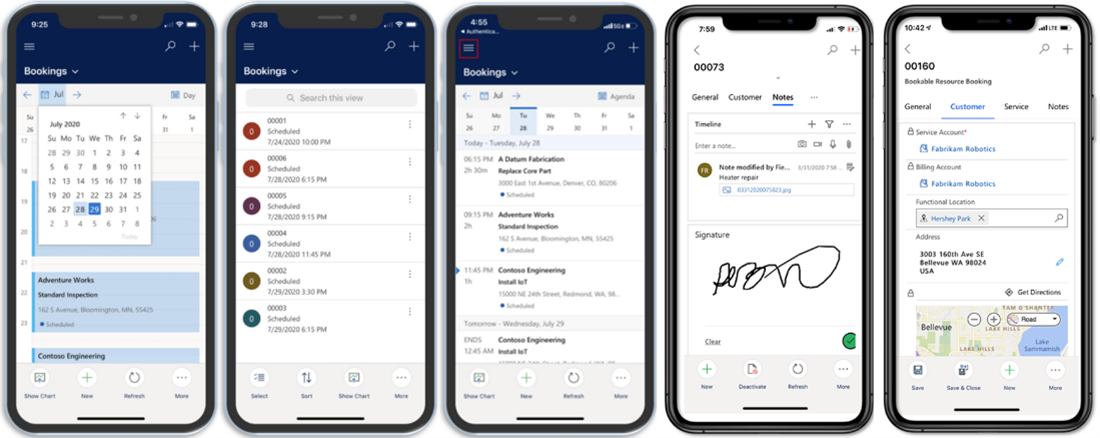
Mobile CRM in 2026 is moving beyond simple remote access. It now functions as a field-ready agentic tool, giving users real-time guidance and autonomous support while they are on the move.
Key advancements include:
Proactive agent prompts: Mobile systems suggest next steps such as service updates, follow-ups, or upsell opportunities based on live context.
Offline autonomy with sync: Field teams can capture data and trigger workflows even without connectivity, with updates syncing automatically.
Context-aware interfaces: Mobile views adjust by role and task type, ensuring information and actions are relevant to the user.
Embedded execution: Scheduling, quoting, and case updates happen directly in the field, making mobile CRM a driver of action rather than a record-keeping tool.
For executives, the priority is designing mobile CRM systems that balance automation with usability. The goal in 2026 is to ensure field teams gain real-time value from AI agents without being overloaded by unnecessary alerts or tasks.
How Is CRM UX/UI Changing in 2026?
As part of CRM trends 2026, user experience has shifted from design tweaks to human and agent collaboration. Executives and teams now expect clear visibility into what AI agents are doing and straightforward controls to step in when needed.
Key developments include:
Transparency dashboards: Users can see why an AI agent acted, what data it used, and the confidence level behind its decision.
Override controls: Executives demand the ability to accept, adjust, or reject agent actions instantly, ensuring accountability.
Adaptive layouts: Interfaces adjust by role and task type, showing context-relevant information and minimizing distractions.
Collaboration cues: CRMs highlight whether a task was completed by an agent, a human, or both, reinforcing trust and workflow continuity.
The outcome is a shift from “user-friendly navigation” to explainable and controllable AI collaboration. CRM interfaces in 2026 are trust-driven, ensuring humans remain in charge while agents reduce manual workload.
For more insights into future trends in CRM software integration, read our recent blog: Optimize & Thrive: CRM Integration Essentials
How Are Industry-Specific CRMs Evolving in 2026?
Industry-tailored systems are no longer just templates with compliance features. As part of CRM trends 2026, the focus has shifted to verticalized agent frameworks that embed domain expertise directly into CRM platforms.
Key advancements include:
Domain-trained agents: Healthcare CRMs now use agents that understand HIPAA compliance, while financial CRMs deploy agents capable of real-time risk checks.
Pre-built workflows: Industry solutions deliver ready-to-use automation for case management, field service, or claims processing.
Contextual data models: Vertical CRMs integrate sector-specific datasets, making AI recommendations more accurate and relevant.
Scalable adoption: SMBs gain access to enterprise-grade tools through preconfigured vertical modules, reducing deployment complexity.
This evolution enables businesses to deploy CRMs that reflect their operational realities rather than adapting generic platforms. The value lies in how quickly vertical agents can be activated to solve industry-specific challenges without extensive customization.
How Are Low-Code and No-Code Tools Shifting in 2026?
Low-code and no-code features are no longer about drag-and-drop customization. As part of CRM trends 2026, these platforms are evolving into modular agent assembly environments, where businesses can deploy, swap, or upgrade AI agents without rebuilding the system.
Key developments include:
Agent marketplaces: Enterprises can choose prebuilt agents for sales, service, or marketing tasks and install them with minimal technical effort.
Composable architecture: CRMs allow organizations to plug in specialized agents as needed, reducing reliance on heavy custom coding.
Rapid deployment: Teams can configure workflows in days rather than months, ensuring CRM systems adapt quickly to new priorities.
Governance guardrails: Executives gain tools to monitor, approve, or limit agent activity while still enabling agility.
This shift gives companies speed and flexibility while reducing technical debt. Instead of customizing a monolithic platform, leaders can assemble an agent ecosystem aligned with business goals and scale it as needs evolve.
How Are Emotion Recognition and IoT Shaping CRM in 2026?
As part of CRM trends 2026, emotion recognition and IoT are converging into customer state intelligence. This creates a live model that tracks customer behavior, sentiment, and device signals in real time.
Key advancements include:
Unified state models: CRMs combine sentiment analysis, purchase patterns, and IoT device data to anticipate customer needs.
Proactive service actions: Smart products trigger service tickets or maintenance reminders automatically within the CRM.
Emotion-aware engagement: AI agents adjust outreach strategies based on tone, intent, and behavioral cues across channels.
Continuous feedback loops: Data from connected devices feeds into CRM profiles, refining future recommendations.
For executives, the challenge is balancing personalization with privacy. Customer state intelligence can improve engagement and loyalty, but only if governance frameworks protect data usage and ensure transparency in how insights are applied.
Optimize Your CRM for 2026 and Beyond
Get insights and strategies tailored to market needs. Connect with our team and see how your CRM can drive growth in the year ahead.
Request a ConsultationDynamics 365: Driving CRM Trends in 2026 for Executive Success.
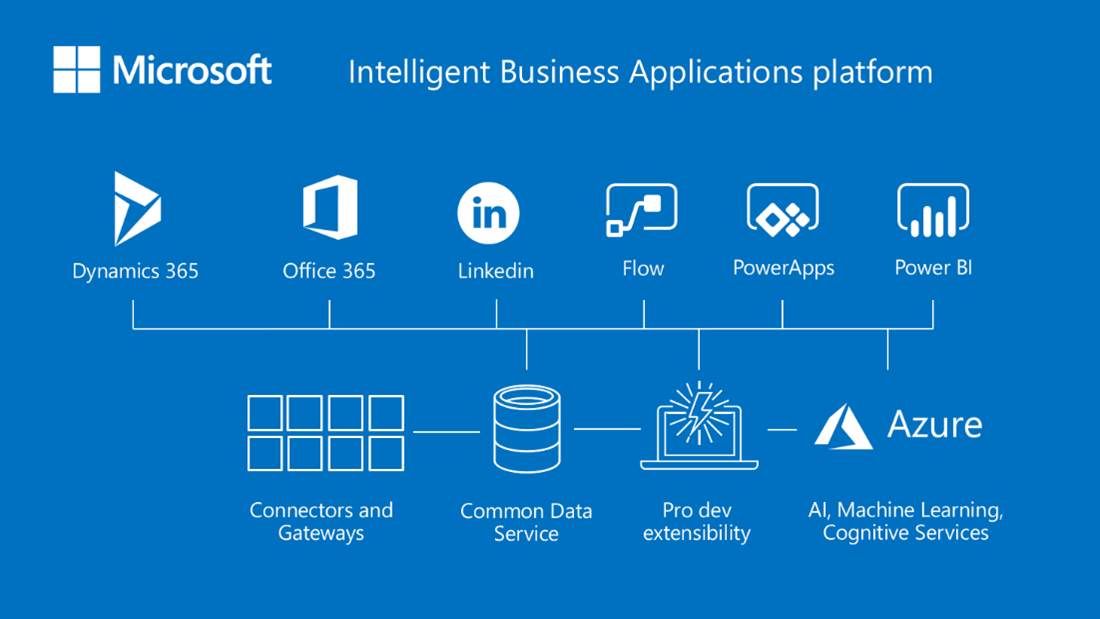
Microsoft Dynamics 365 remains a leader for C-level executives navigating CRM trends 2026. Unlike traditional CRM tools, Dynamics 365 now functions as a decision-making platform that integrates agentic AI, omnichannel orchestration, and real-time analytics into one environment.
Executives gain:
A 360-degree view of the customer journey enriched with live behavioral and transactional data.
Agentic AI capabilities that move beyond predictions to autonomous actions such as qualifying leads, generating proposals, and scheduling follow-ups.
Governed omnichannel engagement that ensures consistent interactions across sales, service, and marketing while maintaining compliance.
Mobile-ready tools that extend CRM intelligence to field teams, enabling real-time decisions anywhere.
In 2026, Dynamics 365 is not just enabling digital transformation. It is shaping how enterprises orchestrate people, processes, and AI agents to achieve measurable growth.
AlphaBOLD: Your Trusted Dynamics 365 Implementation Partner
Choosing the right partner is essential to realize the full potential of Dynamics 365. At AlphaBOLD, we align CRM deployments with executive goals and industry-specific needs. Our approach ensures:
- Tailored configurations that integrate seamlessly with existing business processes.
- Governance frameworks that provide transparency and control over AI-driven actions.
- Training and adoption programs that help teams work effectively with agentic CRM systems.
- Scalable solutions that adapt as customer expectations and market conditions evolve.
With proven expertise in Dynamics 365 consulting, AlphaBOLD helps organizations turn trends into practical results. We enable leadership teams to strengthen customer relationships, reduce manual workload, and drive sustainable growth.
Further Reading: The Comprehensive Guide to CRM Software Selection
Ready to Transform your CRM Strategy with Dynamics 365?
Embark on a digital journey with Dynamics 365, with the latest CRM trends in 2026 at the core of your transformation.
Request a ConsultationConclusion
CRM trends in 2026 highlight a decisive shift toward agentic systems, unified data models, and governed orchestration. These changes are not just technical enhancements but strategic shifts that will reshape how executives manage customer relationships and business operations.
To stay ahead, organizations must:
Invest in data readiness to fuel AI-driven decision-making.
Implement governance frameworks that ensure transparency, compliance, and trust.
Focus on human and AI collaboration, allowing agents to execute tasks while keeping people in control.
Deploy verticalized solutions that reflect the realities of their industry.
For C-level leaders, the challenge is no longer adopting CRM technology but ensuring that it delivers measurable ROI, reduces manual workload, and strengthens customer engagement at every stage of the journey.
AlphaBOLD helps executives translate these trends into action with tailored Dynamics 365 implementations, industry expertise, and a consulting-first approach. By building systems that are intelligent, accountable, and scalable, we enable organizations to succeed in 2026 and beyond.
Explore Recent Blog Posts



Related Posts